




Recovery Support

You’re committed to your mental health, but you also have responsibilities—work, school, family, daily life. Mental Health Intensive Outpatient Program (IOP) offers structured, effective treatment that works around your commitments, not against them.
At Guardian Recovery, our Mental Health IOP provides evidence-based therapy, psychiatric support, and skill-building through structured sessions typically 3 hours per day, 3-5 days per week. You’ll receive the clinical care you need to manage symptoms and build wellness while living at home, continuing work or school, and applying what you learn in real-world settings. We offer our mental health IOP program both in-person and online.
This is where healing meets daily life. You’re not isolated from the world—you’re learning to navigate it with healthier coping skills, better emotional regulation, and expert support guiding you every step of the way.
Mental Health Intensive Outpatient Program (IOP) is a structured treatment approach that provides significant clinical support for mental health conditions without requiring you to live at a facility. You attend scheduled therapy sessions during designated times—typically evenings or flexible daytime hours—then return home to practice what you’ve learned.
Think of IOP as intensive support with real-world practice. You’re building mental health skills during treatment sessions and immediately applying them in your daily life—with your treatment team there to help you navigate challenges as they arise.
Guardian Recovery’s Mental Health IOP serves individuals at various points in their mental health journey.
Guardian Recovery’s Mental Health IOP treats a comprehensive range of mental health disorders.
If you’re unsure whether your specific condition fits IOP, our admissions team will assess your needs and recommend the appropriate level of care.
We’ll make sure IOP is the right fit before you commit.
Many clients feel nervous joining a group—that’s normal. Our facilitators create a welcoming, safe environment, and you’ll quickly realize everyone is there for the same reason: to feel better.
Each 3-hour session is structured and purposeful, designed to maximize your learning and growth.
Break time is included for restroom, refreshments, and informal peer connection.
Group therapy is the primary treatment modality in Mental Health IOP, and it’s highly effective.
Dialectical Behavior Therapy (DBT) Groups: Master emotional regulation skills to manage intense feelings. Learn distress tolerance for getting through crises without harmful behaviors. Practice mindfulness for staying present and grounded. Improve interpersonal effectiveness and communication skills.
Cognitive Behavioral Therapy (CBT) Groups: Identify negative thought patterns that worsen symptoms. Learn to challenge and reframe cognitive distortions. Develop healthier thinking habits that support mental wellness. Practice applying CBT skills to real-life situations.
Process Groups: Share your experiences in a safe, supportive environment. Receive validation and feedback from peers who understand. Learn you’re not alone in your struggles. Practice healthy communication and build authentic connections.
Psychoeducation Groups: Understand your mental health diagnosis and symptoms. Learn about the brain, neurotransmitters, and how treatment works. Gain knowledge about medication options and their effects. Understand the recovery process and what to expect. Empower yourself through knowledge.
Wellness and Life Skills Groups: Develop healthy lifestyle habits that support mental health. Learn about sleep hygiene, nutrition, exercise, and self-care. Practice stress management without unhealthy coping mechanisms. Build communication skills and healthy boundaries. Develop problem-solving and decision-making skills.
Relapse Prevention for Mental Health: Identify early warning signs of symptom escalation. Develop comprehensive wellness plans with specific action steps. Learn to recognize patterns that precede crisis. Build resilience and confidence in managing your condition long-term.
While group therapy is primary in IOP, individual counseling provides personalized support.
Frequency: Typically 1 session per week, 45-60 minutes
Your individual therapist is your advocate—the person who knows your complete story and helps you navigate your unique path to wellness.
Mental Health IOP includes comprehensive psychiatric care for medication needs.
Frequency: Initial evaluation, then typically monthly or as needed
This is integrated care—your psychiatrist and therapist work together to ensure your medication and therapy support each other.
Your case manager helps ensure all aspects of your life support your mental health.
Think of your case manager as the person who helps you manage everything outside of therapy that impacts your wellness.
When appropriate and desired, IOP includes family participation.
Recovery happens in relationship. Involving family, when healthy to do so, improves outcomes.
Mental health skills must be practiced outside of sessions to become effective.
The work you do between sessions is as important as the work you do in sessions. IOP isn’t just about showing up—it’s about actively applying what you learn to your daily life.
Mental Health IOP duration varies based on individual needs and progress.
Most clients participate in IOP for 8-12 weeks, though length may vary based on:
Your treatment team assesses your progress regularly and makes recommendations based on your individual journey—not an arbitrary timeline.
IOP isn’t the end of your mental health journey—it’s a crucial phase. Research shows that ongoing support after intensive treatment dramatically improves long-term outcomes.
When you’ve met your IOP goals, you’ll typically transition to:
You maintain the skills you’ve learned while taking more responsibility for your own wellness.
Our alumni community provides ongoing support, connection, and resources for continued wellness.
Understanding where IOP fits in the continuum helps you appreciate its role.
PHP: 5-6 hours daily, 5-7 days/week, hospital-level intensity, less independence, often for acute crisis IOP: 3 hours daily, 3-5 days/week, structured but less intensive, more real-world practice, for stabilization and skill-building
IOP has more flexibility but requires more self-management between sessions.
Inpatient: 24/7 intensive care, live at hospital, for acute crisis or safety concerns, maximum structure IOP: Part-time treatment, live at home, for symptom management and skill development, moderate structure
IOP allows you to maintain your life while receiving significant clinical support.
Traditional Outpatient: 1 hour weekly, minimal structure, primarily individual therapy IOP: 9-15 hours weekly, highly structured, primarily group-based with individual support
IOP provides much more intensity, accountability, and skill-building than traditional outpatient therapy.
The right level of care depends on your symptom severity, safety, and functional impairment. Your treatment team will help determine what’s appropriate for you.
Most people with mental health disorders also struggle with substance use at some point, and treating both simultaneously is essential for lasting wellness.
Guardian Recovery’s Mental Health IOP provides true integrated dual diagnosis treatment:
Example: If you’re in IOP for anxiety and also use marijuana to cope, your treatment plan includes anxiety management skills, understanding how substance use affects anxiety, processing the reasons you use, and developing healthier coping strategies—all within your IOP programming.

Wellness is possible. We know because we’ve walked this path with thousands of people just like you.
Your journey toward better mental health can start today—while you keep your job, stay with your family, and maintain your responsibilities.
If you’re in crisis right now: Call 988 (Suicide & Crisis Lifeline) for immediate support, then call us to discuss IOP as your next step toward stability.
Don’t wait for symptoms to become unbearable. Don’t convince yourself you should be able to handle this alone. Don’t let stigma stop you from getting help.
The life you want—free from overwhelming symptoms, full of peace and purpose—is possible. We help people build that life every single day.
Mental Health IOP at Guardian Recovery: Intensive support. Real-world wellness. Lasting results.
Your healing starts with a single call. Let’s take that step together—right now.
Clear, straightforward answers to help you understand what to expect, how the process works, and how we support you every step of the way.
Yes, many clients work full-time. We offer evening and flexible schedule options specifically for working adults. Mental health treatment fits into your life rather than requiring you to pause it entirely.
Tell your treatment team immediately. We’ll assess what’s happening, ensure your safety, adjust your treatment plan, and determine if IOP is still appropriate or if you need to step up to PHP or hospitalization temporarily. Worsening symptoms aren’t failure—they’re information that guides your care.
Our staff is trained to support you through acute symptoms. You won’t be judged or asked to leave. We’ll help you use coping skills, provide a safe space to regulate, and ensure you’re okay before leaving. This is a treatment setting—it’s safe to have symptoms here.
Not unless you tell them. We cannot release information without your written authorization. Many clients tell employers they have evening commitments or medical appointments. Some are open about mental health treatment—that’s your choice.
Medication isn’t required for IOP participation. However, if our psychiatrist believes medication would significantly help your symptoms, we’ll discuss it with you. The decision is ultimately yours, though we’ll provide clinical recommendations.
Group dynamics take time. We encourage giving it several weeks before deciding. If you’re truly not connecting or feeling safe, talk to your therapist—we may be able to move you to a different group or address the issue directly.
It depends on the severity. If you’re actively suicidal with a plan and intent, you need hospitalization first. If you’re having suicidal thoughts but can commit to safety plans and aren’t in immediate danger, IOP may be appropriate with close monitoring.
Talk to our billing department immediately. We may have sliding scale options, payment plans, or can connect you with community mental health resources. Don’t let financial concerns prevent communication.
Your treatment team assesses readiness based on: symptom improvement and stability, mastery of coping skills, reduced crisis episodes, strong support network, ability to manage triggers independently, completion of treatment goals, and confidence in self-management. This is a collaborative decision.
Licensed therapists, clinical counselors, psychiatric providers, and case managers specializing in mental health disorders and evidence-based treatment.
Group therapy, individual counseling, psychiatric care, case management, crisis support, and family involvement—all coordinated.
We use proven approaches—CBT, DBT, trauma-informed care, exposure therapy, mindfulness-based interventions—backed by research.
Seamless transitions from inpatient through PHP, IOP, outpatient, and alumni support—all within Guardian Recovery.
Mental health and substance use treated together by specialists in co-occurring disorders.
You practice skills in your actual life, with support to navigate real challenges as they arise.
Evening and daytime options to accommodate work, school, and family responsibilities.
We help you build connections with support groups and resources for long-term wellness.
Your program is designed for YOUR specific diagnosis, symptoms, strengths, and goals.
We work with most major insurance providers and help maximize your benefits.
Small groups (typically 8-12 clients) led by experienced facilitators create safe environments for deep therapeutic work.
Our evidence-based, comprehensive approach gives you the tools and support for lasting mental wellness.

Our team provides 24/7 care to help ease withdrawal symptoms and keep you safe and supported during early recovery.

Round-the-clock care in a structured, supportive setting helps you focus fully on building a foundation for lasting change.

Offering intensive outpatient support online for those needing ongoing care or unable to attend in-person treatment.
Guardian Recovery offers a full continuum of care between our facilities; including PHP, IOP, and Aftercare programs.
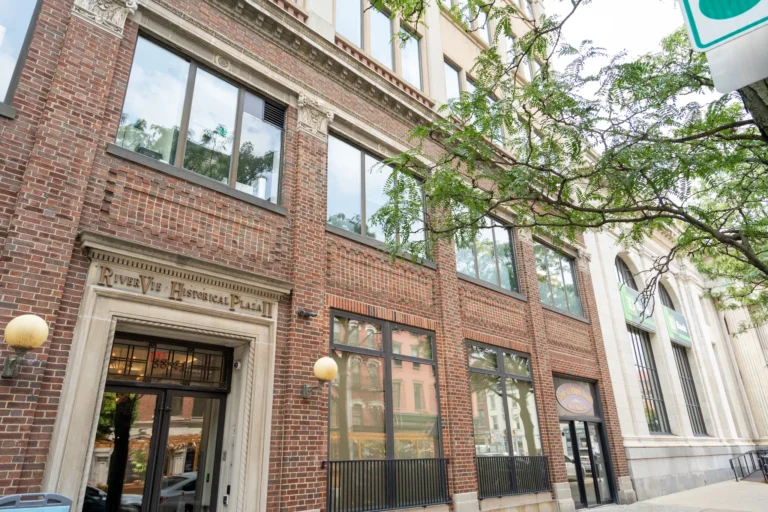
Hoboken, NJ
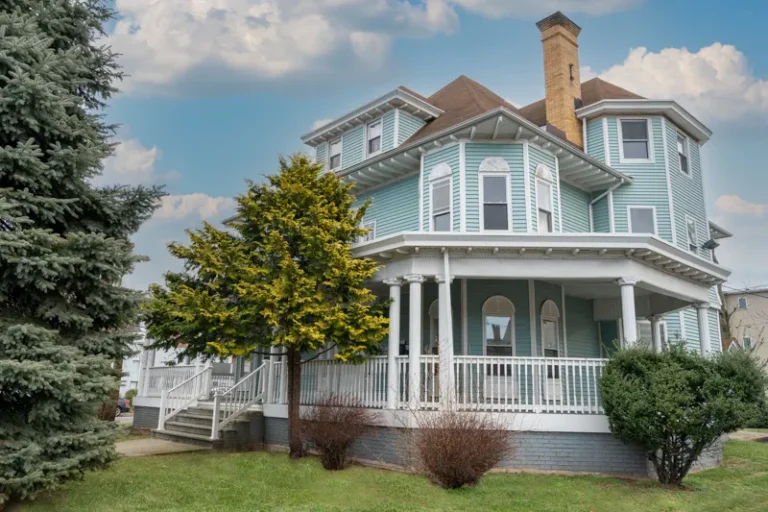
New Brunswick, NJ
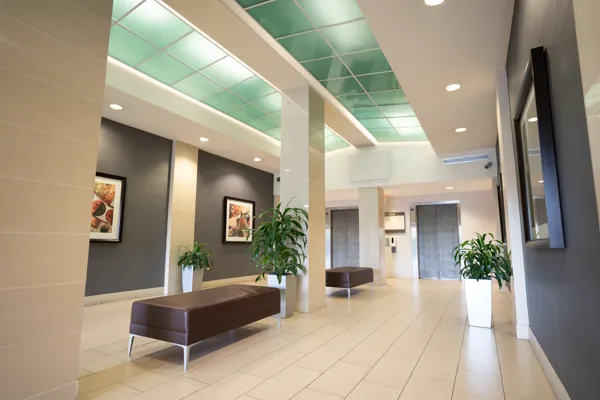
Saddle Brook, NJ
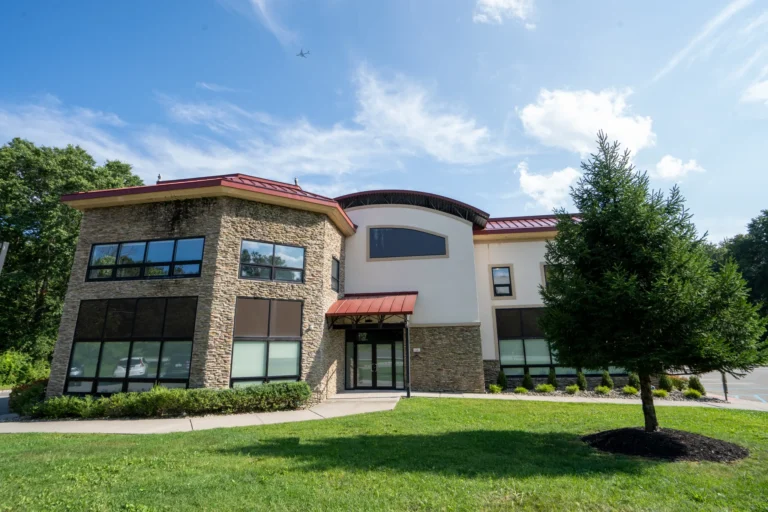
Towaco, NJ

Denver, CO
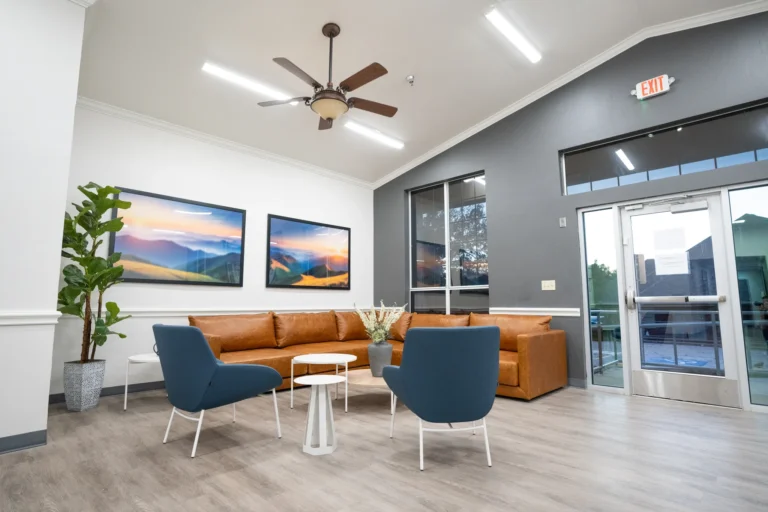
Plano, TX
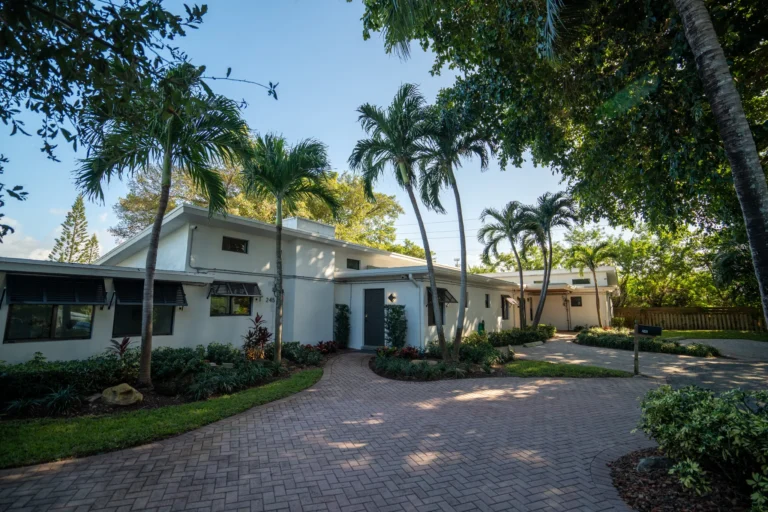
Delray Beach, FL

Boynton Beach, FL
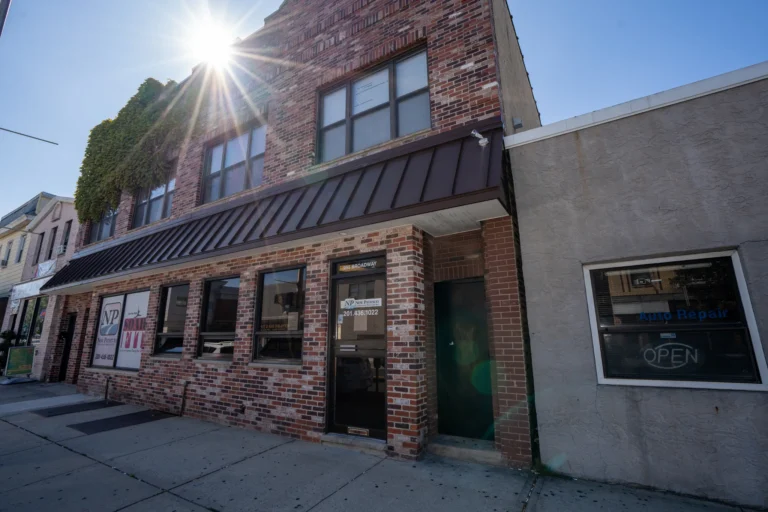
Bayonne, NJ

Paramus, NJ
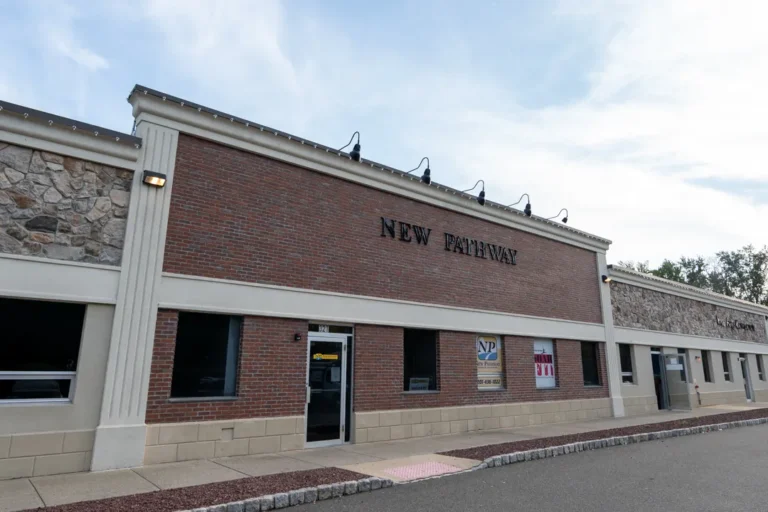
Pine Brook, NJ
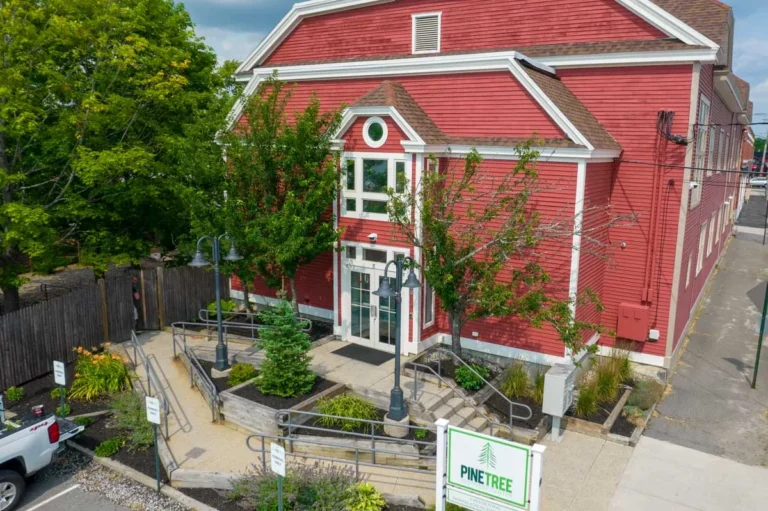
Portland, ME
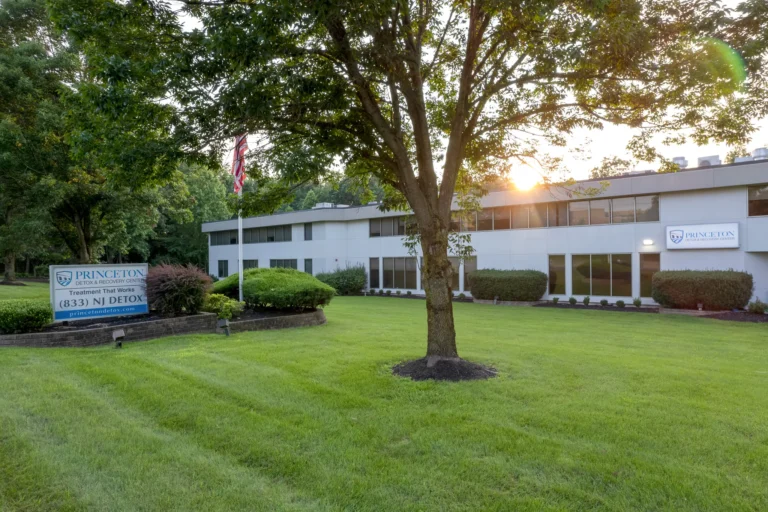
Monmouth Junction, NJ
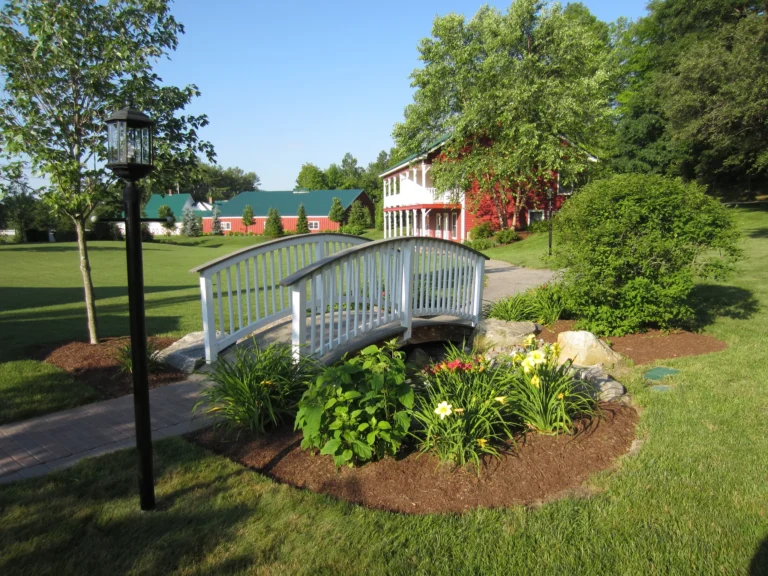
Plymouth, NH
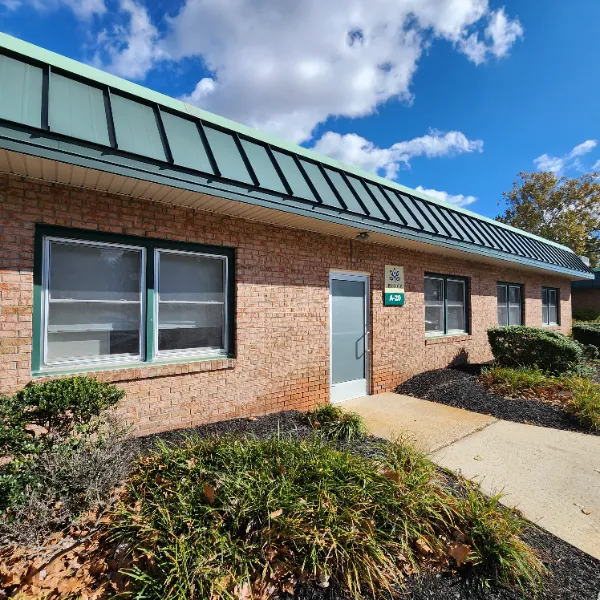
Lawrenceville, NJ
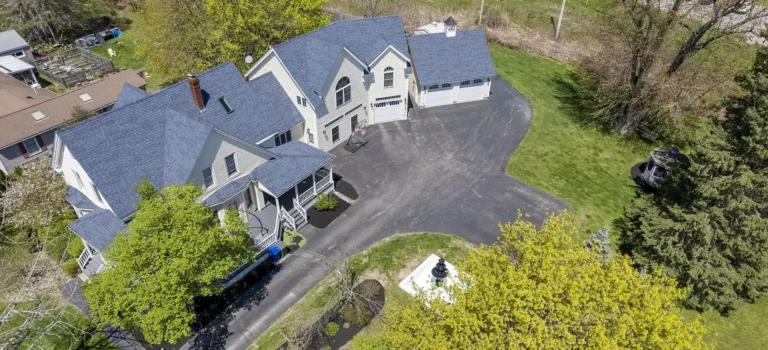
Westbrook, ME
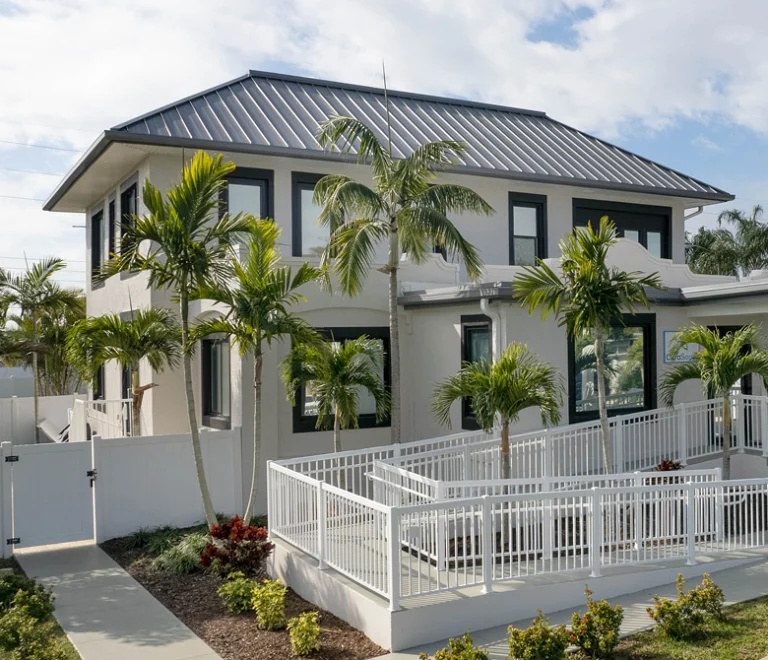
Tampa, FL

Medical Disclaimer:
The information provided on this website is intended solely for educational and informational purposes. Guardian Recovery aims to improve the quality of life for individuals struggling with substance use or mental health disorders by offering fact-based content about behavioral health conditions, treatment options, and related outcomes. However, this information should not be considered a substitute for professional medical advice, diagnosis, or treatment.
Important Notes:
The content on this site is believed to be current and accurate at the time of posting, but medical information is constantly evolving.
Always seek the advice of your physician or other qualified healthcare provider regarding any questions or concerns about your health or medical condition.
If you think you may have a medical emergency, call 911 or go to the nearest emergency room immediately.
Guardian Recovery does not provide free medical advice. For personalized treatment recommendations, please consult with a licensed healthcare professional.
By using this website, you acknowledge that you have read and understand this disclaimer. Guardian Recovery and its affiliates disclaim any liability for the use or interpretation of information contained herein. SEE TERMS AND CONDITIONS