




Yes, we work with most major insurance providers. Our admissions team will verify your benefits and explain your coverage, including deductibles, copays, and out-of-pocket costs before you arrive.
We offer several payment options including self-pay rates, payment plans, and can help connect you with resources for financial assistance. Don’t let cost be a barrier to reaching out—we’ll work with you to find a solution.
Most insurance plans cover medically necessary detox and residential treatment for substance use disorders. Coverage varies by plan, but typically includes medical services, therapy, medications, and room and board during your stay.
We believe in transparent pricing. We’ll clearly outline all costs during the admissions process, including any fees for specific services or amenities not covered by insurance.

The appropriate level of care depends on several factors, including the severity of your substance use, your medical and psychiatric history, and your support system. Our admissions team will conduct a comprehensive assessment to determine the best placement for your needs. Generally, detox is recommended if you’re at risk for medical complications during withdrawal, while residential treatment provides 24/7 structured care and support in early recovery.
Our admissions process is designed to be simple and supportive. You’ll start with a confidential phone conversation where we’ll ask about your substance use history, medical needs, and treatment goals. We’ll verify your insurance benefits, conduct a pre-admission assessment, and coordinate your arrival date.
You can absolutely admit yourself. Self-admission shows tremendous courage and is often associated with better outcomes. However, family members or healthcare providers can also help initiate the process with your consent.
We understand that when you’re ready for help, timing is critical. In many cases, we can admit you within 24-48 hours, depending on bed availability and medical clearance requirements.

Medical detox is a supervised process where your body safely withdraws from drugs or alcohol. Our medical team monitors you 24/7, manages withdrawal symptoms with medications when appropriate, and ensures your safety and comfort.
Detox length varies based on the substance(s) used, duration of use, and individual factors. Generally, detox takes 3-10 days, though some substances may require longer monitoring.
Withdrawal can be uncomfortable, but our medical team uses evidence-based protocols and medications to minimize discomfort and ensure safety. Some substances (like alcohol and benzodiazepines) can cause dangerous withdrawal symptoms, which is why medical supervision is crucial.
We use FDA-approved medications tailored to your specific needs. These may include medications to ease withdrawal symptoms, reduce cravings, prevent seizures, and manage co-occurring conditions like anxiety or depression.
Detox is just the first step. After completing detox, we strongly recommend transitioning to our residential program to address the underlying causes of addiction and develop recovery skills.

Residential treatment provides a safe, structured environment where you live on-site while receiving intensive treatment. You’ll participate in individual therapy, group counseling, educational sessions, and therapeutic activities, all while being supported by 24/7 clinical staff.
Program length varies based on individual needs, but typical stays range from 30-90 days. Research shows that longer treatment durations are associated with better long-term outcomes.
Days are structured and purposeful, typically including: morning meditation or exercise, breakfast, group therapy, individual counseling sessions, educational workshops, lunch, recreational therapy, process groups, dinner, evening activities, and personal reflection time.
While we hope you’ll complete the full program, treatment is voluntary. We encourage you to discuss any concerns with your treatment team rather than leaving prematurely, as early departure significantly impacts recovery success.
Yes, while residential treatment is structured, you’ll have personal time for reflection, journaling, reading, or relaxation. You’ll typically share a room with 1-3 other residents, but we respect everyone’s need for downtime.

We offer evidence-based, individualized treatment including cognitive-behavioral therapy (CBT), dialectical behavior therapy (DBT), motivational interviewing, trauma-informed care, 12-step facilitation, and holistic therapies.
Yes, you’ll meet regularly with a primary therapist who will create your individualized treatment plan and help you work through personal issues contributing to your substance use.
Group therapy provides peer support and allows you to learn from others’ experiences. Sessions are facilitated by trained counselors and cover topics like coping skills, relapse prevention, communication, and rebuilding relationships.
Absolutely. Many people with substance use disorders also experience depression, anxiety, PTSD, or other mental health conditions. Our integrated approach treats both simultaneously for better outcomes.
Yes, we provide medication-assisted treatment when clinically appropriate. MAT combines FDA-approved medications with counseling and behavioral therapies for a comprehensive approach.

Our medical team will review all health conditions and medications during admission. We coordinate with your doctors and continue necessary medical care throughout treatment.
Yes, but all medications must be reviewed and managed by our medical staff for safety. Bring medications in their original labeled containers.
We have experience treating individuals with chronic pain and substance use disorders. Our team will develop a comprehensive pain management plan that doesn’t compromise your recovery.
Yes, medical and nursing staff are available around the clock to address any health concerns or emergencies.

Family involvement is strongly encouraged and often beneficial for recovery. We offer family therapy sessions, educational programs, and family weekends where loved ones can participate in your healing process.
Visitation policies vary by treatment phase, but typically visitors are allowed after an initial stabilization period. This allows you to focus on yourself early in treatment while maintaining important connections.
Yes, you can typically make phone calls during designated times and may have limited access to email. We encourage healthy communication while maintaining therapeutic boundaries.
We provide family education about addiction, recovery, and healthy boundaries. Family therapy helps repair relationships and teaches loved ones how to support your long-term recovery.

Bring comfortable clothing for one week, toiletries (non-alcoholic products), any prescription medications in original containers, insurance information, photo ID, and personal items like journals or photos. We’ll provide a detailed packing list during admission.
For safety, prohibited items typically include alcohol, drugs, weapons, aerosols, mouthwash with alcohol, certain electronics, and valuables. We’ll provide a complete list before arrival.
Electronics policies vary by program phase. Initially, devices may be limited to help you disconnect from triggers and focus on treatment. Access typically increases as you progress.
We provide nutritious, balanced meals three times daily, plus snacks. We accommodate dietary restrictions, allergies, and special nutritional needs.
Yes! Physical wellness is important for recovery. We offer exercise facilities, outdoor activities, recreational therapy, yoga, meditation, and other wellness activities.

Rules ensure everyone’s safety and recovery. Key rules include: no substance use, respect for others, attendance at all scheduled activities, no violence or threats, confidentiality, and following staff direction.
Safety is our priority. Substance use during treatment is addressed immediately through clinical intervention. Depending on circumstances, this may result in additional support, modified treatment plan, or in serious cases, discharge.
Yes, our facility is secure with controlled access to ensure client safety. Staff monitor the property 24/7.
Our medical staff handle emergencies immediately. If needed, we’ll transport you to a nearby hospital. Staff are trained in emergency response and CPR.

Successful treatment doesn’t end at discharge. We develop a comprehensive continuing care plan including outpatient therapy, support groups, sober living recommendations, and community resources.
Yes, we provide aftercare planning, alumni programs, and can connect you with ongoing support services to maintain your recovery long-term.
Recovery is a personal journey, and success looks different for everyone. Research shows that completing a full program, engaging in aftercare, and building a strong support network significantly improve long-term recovery outcomes.
Yes, we facilitate connections to various recovery support groups including 12-step programs (AA/NA), SMART Recovery, and other mutual support options that align with your preferences.
We understand that taking the first step toward treatment requires courage. Our compassionate team is here to answer any additional questions and support you through this journey. You don’t have to face this alone—reach out today.

Our team provides 24/7 care to help ease withdrawal symptoms and keep you safe and supported during early recovery.

Round-the-clock care in a structured, supportive setting helps you focus fully on building a foundation for lasting change.

Offering intensive outpatient support online for those needing ongoing care or unable to attend in-person treatment.
Guardian Recovery offers a full continuum of care between our facilities; including PHP, IOP, and Aftercare programs.
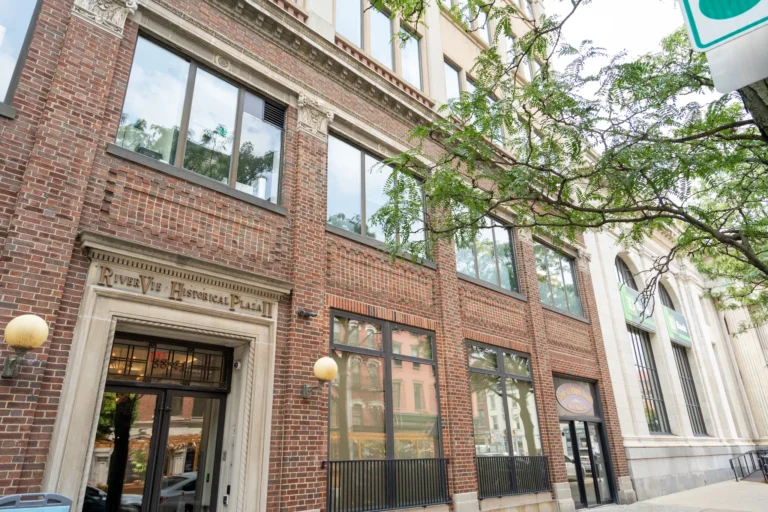
Hoboken, NJ
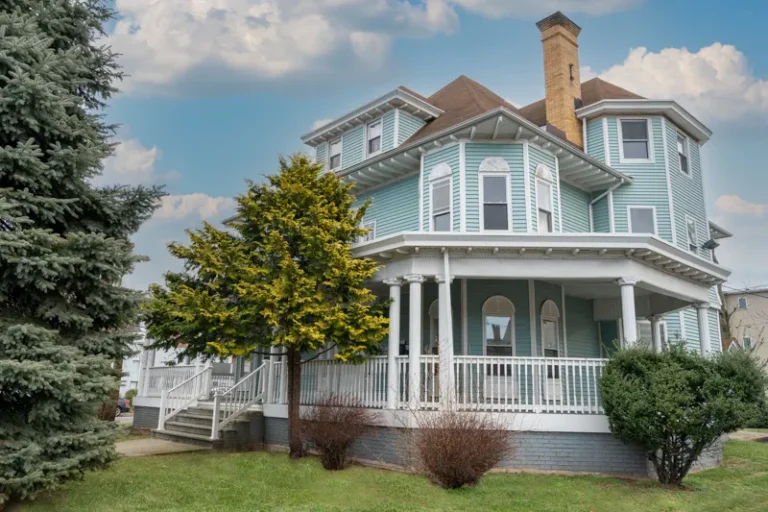
New Brunswick, NJ
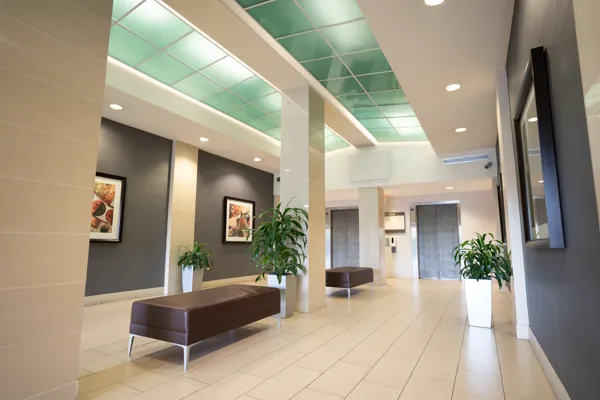
Saddle Brook, NJ
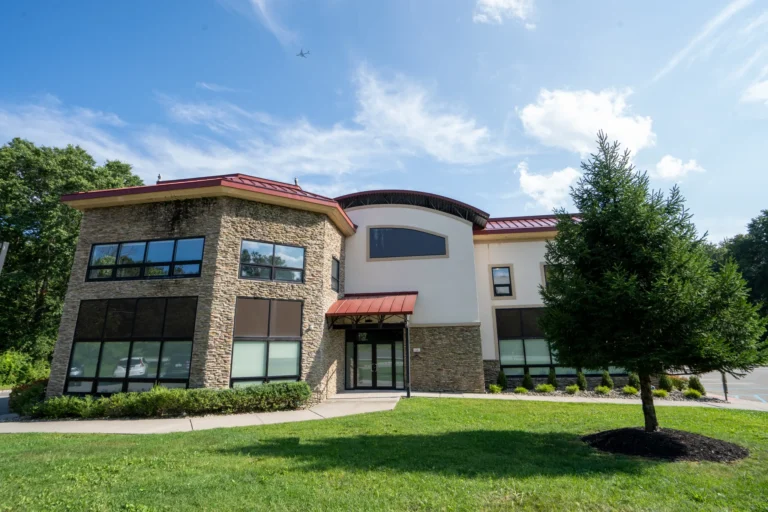
Towaco, NJ
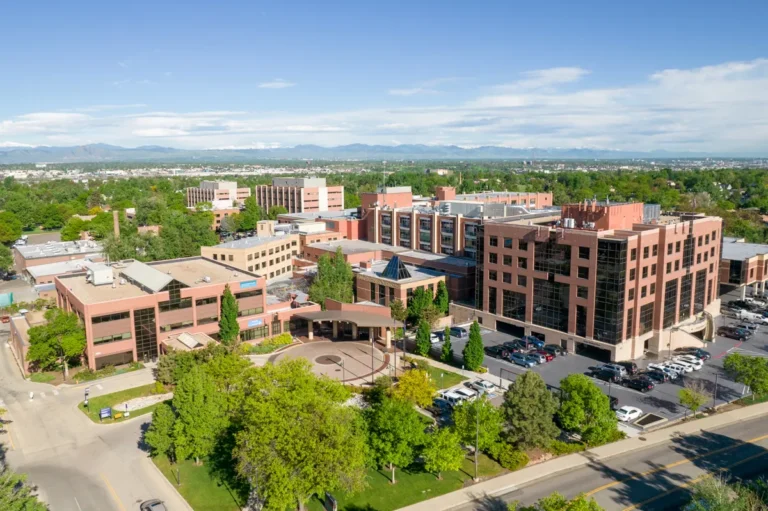
Denver, CO
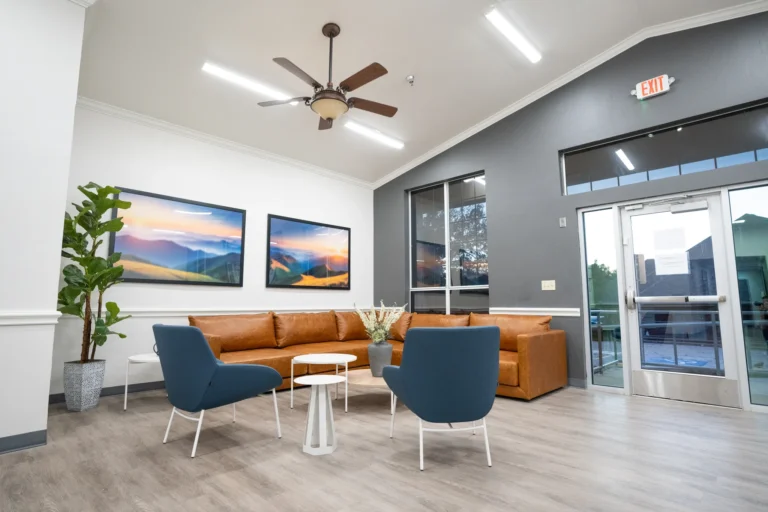
Plano, TX
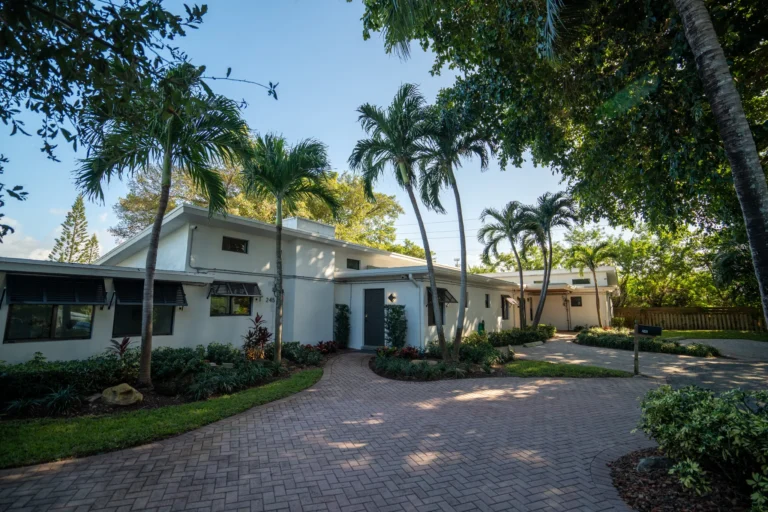
Delray Beach, FL

Boynton Beach, FL
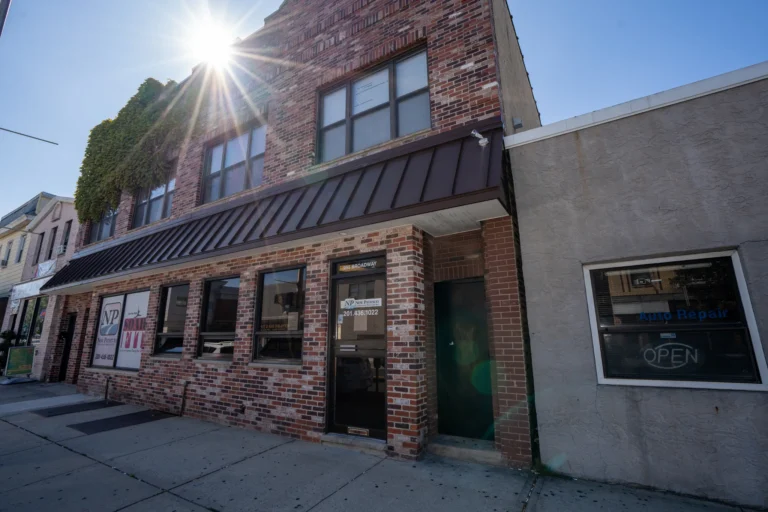
Bayonne, NJ
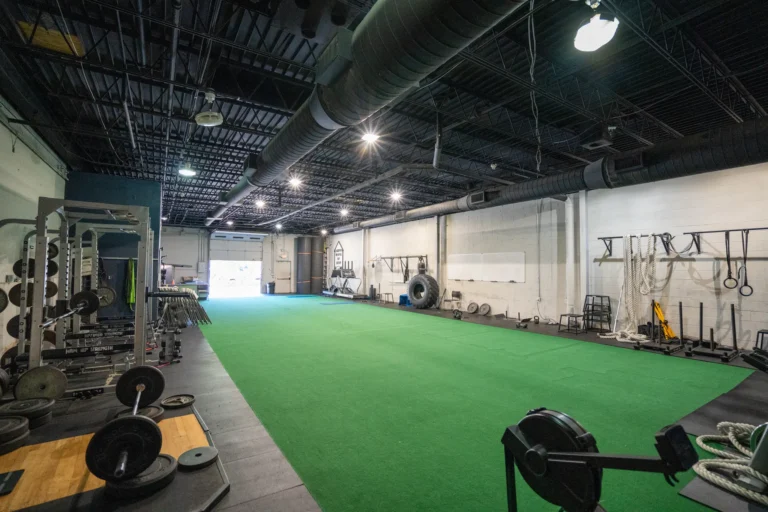
Paramus, NJ
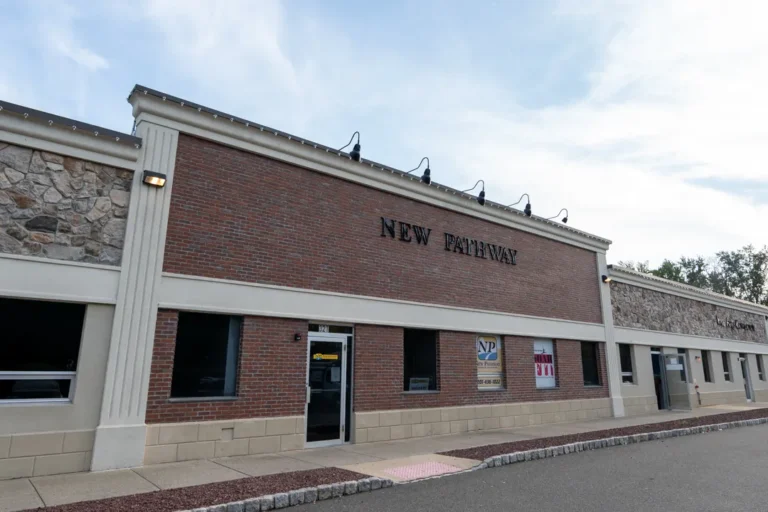
Pine Brook, NJ
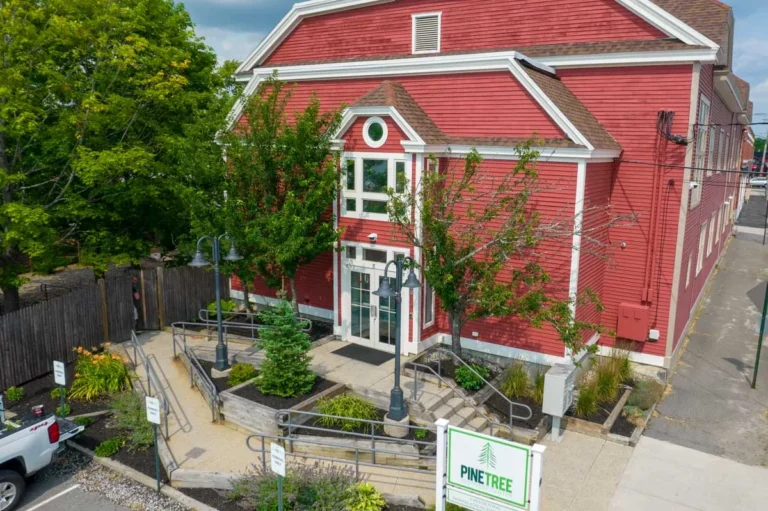
Portland, ME
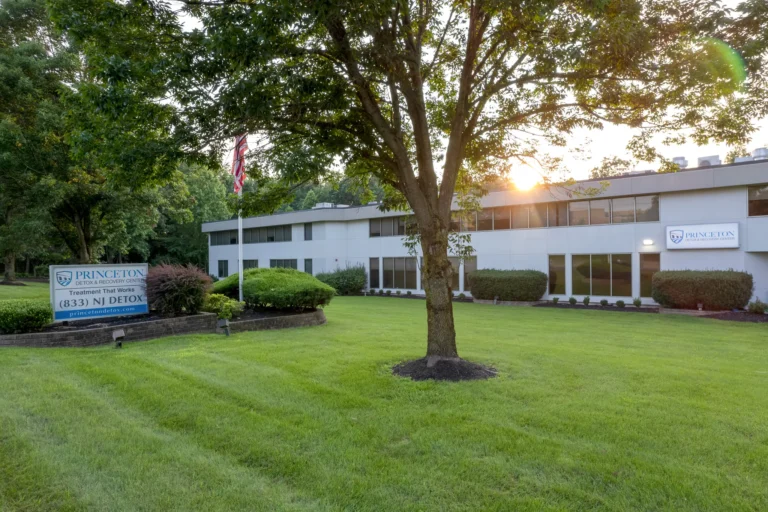
Monmouth Junction, NJ

Plymouth, NH
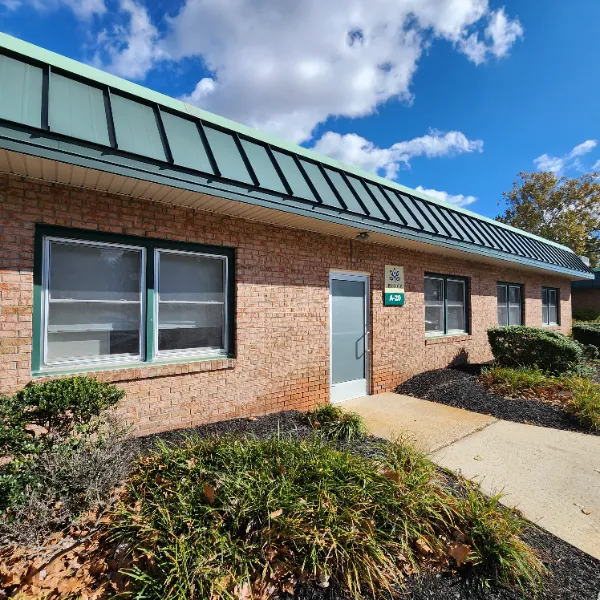
Lawrenceville, NJ
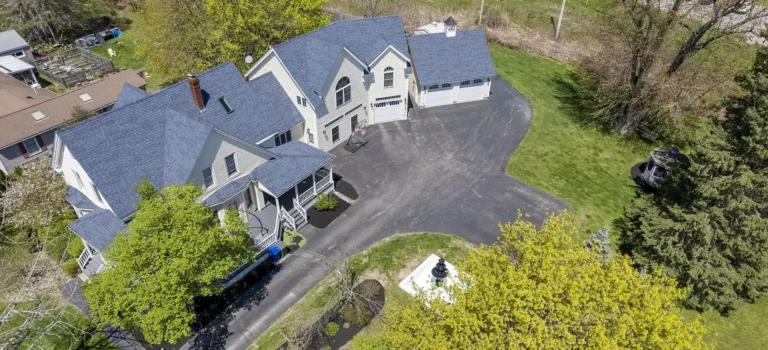
Westbrook, ME
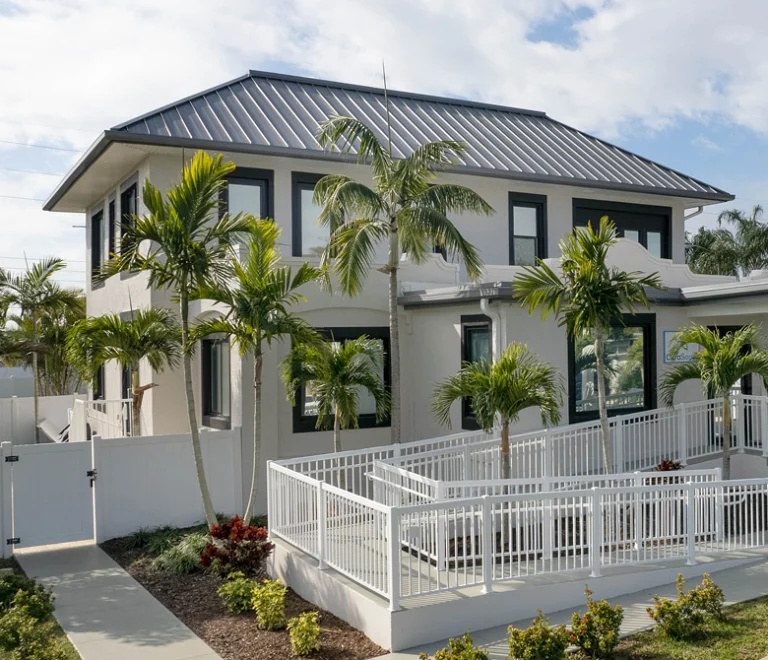
Tampa, FL

Medical Disclaimer:
The information provided on this website is intended solely for educational and informational purposes. Guardian Recovery aims to improve the quality of life for individuals struggling with substance use or mental health disorders by offering fact-based content about behavioral health conditions, treatment options, and related outcomes. However, this information should not be considered a substitute for professional medical advice, diagnosis, or treatment.
Important Notes:
The content on this site is believed to be current and accurate at the time of posting, but medical information is constantly evolving.
Always seek the advice of your physician or other qualified healthcare provider regarding any questions or concerns about your health or medical condition.
If you think you may have a medical emergency, call 911 or go to the nearest emergency room immediately.
Guardian Recovery does not provide free medical advice. For personalized treatment recommendations, please consult with a licensed healthcare professional.
By using this website, you acknowledge that you have read and understand this disclaimer. Guardian Recovery and its affiliates disclaim any liability for the use or interpretation of information contained herein. SEE TERMS AND CONDITIONS